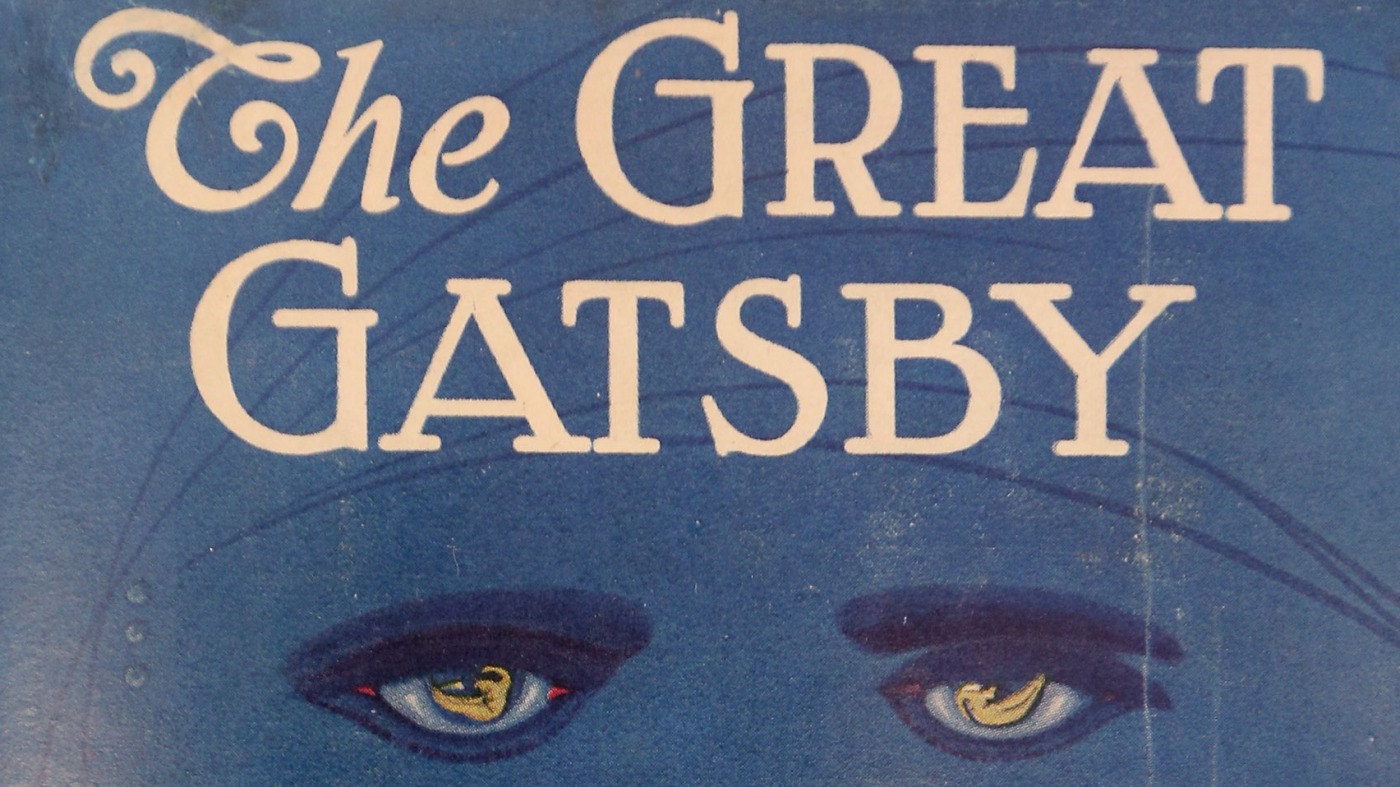
The Great Gatsby: The American Dream?
The Great Gatsby is a classic novel written by F. Scott Fitzgerald; it’s based around the jazz age in the 1920s. This novel dives into not only the romanticization of life in New York during this time, but also tragedy and a love story. Though I believe the main purpose, showing a critique of the American Dream.
Our protagonist is a man, Nick Carraway, who happens to get involved with rich people, from his cousin Daisy Buchanan, who is married to a rich man. The real reason this book led me to want to read so unwaveringly was the concept of following a character to a realization. This realization being that everyone around him was driven by wealth and status, nothing more.
Nick gets involved in all of this, though he has made a friend of sorts, his neighbor, Jay Gatsby. Now, Jay Gatsby is wealthy but not so very snobby, well at least he had motives. Motives of that he was in love with a married Daisy Buchanan, who he was lovers with long ago when Gatsby was a poor man. Naturally, Nick being cousins with Daisy and friends with Gatsby, this all played out.
It was really troubling, an affair, a short-lasting affair. Though reading this you could think that this whole novel was about this tragic love story, cause yes, we follow it through the entire novel. It is more so about the principle of it all, Gatsby found himself in wealth, and status, he threw parties often hoping Daisy would show up. He knew that if he had all this money and materialistic things, he would have a chance back with Daisy.
This is how I get to my point of the main purpose of this article was a critique of the American dream. Showing that under all the parties and fun, there was an arrogant reason for it all. The idea that you were nothing if not extremely wealthy and popular. And after you ran out, you were nothing but any other man.
This novel explains this through the story of a man who was not as shallow, as the people around him. He had care for Gatsby, even after Gatsby had his demise. No one saw a man, they saw status and wealth and flocked to it.