Why hamsters are not a good first pet for a young child
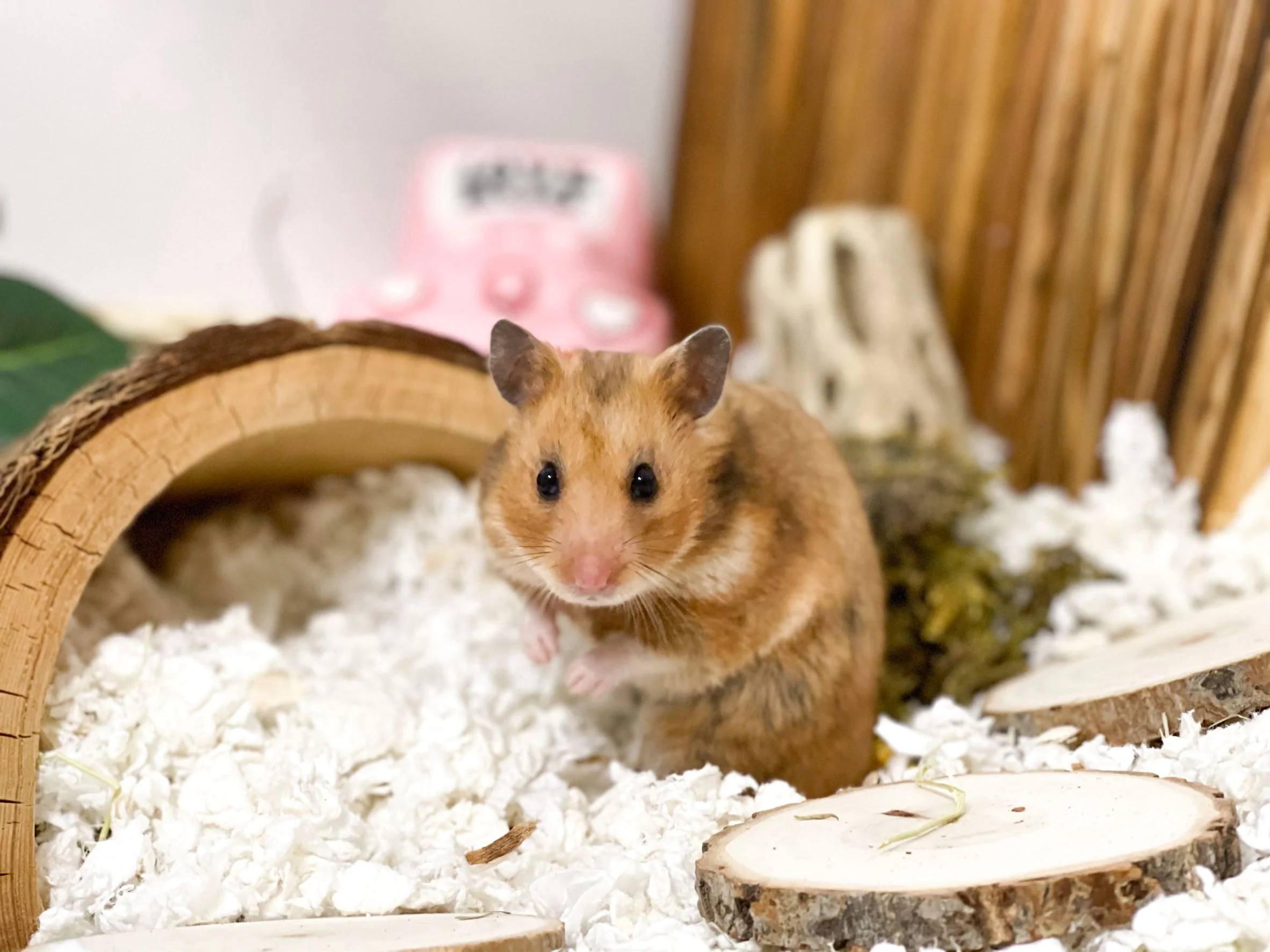
Hamsters are small, cute, rodents that have become popular pets over the years. There are many different species of hamsters, with the most common hamster being a Syrian hamster. They grow to be about 6 inches long. Hamsters can be very social with humans and other hamsters while some prefer to be left alone. This being an issue with young children having one. If the hamster prefers to be left alone or does not want to play anymore, the child can aggravate and stress the animal out. You also cannot put one hamster in a cage with a new hamster it has not met before. Hamsters are territorial and will fight. Hamsters hibernate when the weather gets cold enough. Some people mistaken them as dead if they do not know this fact about hamsters. For small children, when a hamster hibernates, they have to learn to leave it alone until it is time to wake up on its own, or it will disturb the animal and make it upset and even stressed out. Hamsters will wake up from hibernation to eat. If the hamster does not have enough food supplies before hibernation time, it will delay hibernating to make sure it has enough food to last. Hamsters are generally an easy pet to take care of, as long as you know what you are doing and know how to respect the living animal. Hamsters do tend to bite when frightened, and many little kids do not know yet how to handle a small animal like that. Some children are even rough with bigger animals like cats, dogs, etc. It can seriously injure the animal or child; both or one will get hurt if you are not careful. Hamsters get stressed super easily, causing them to be able to catch stress related illnesses like wet tail. It is a type of diarrhea a hamster gets that can result in death if not attempted to treat. If you are a older child who is responsible, I would suggest a hamster as a first pet.